Who Takes the Front? A Gentle Lead-Swap Plan for Beginner Buddy Rides
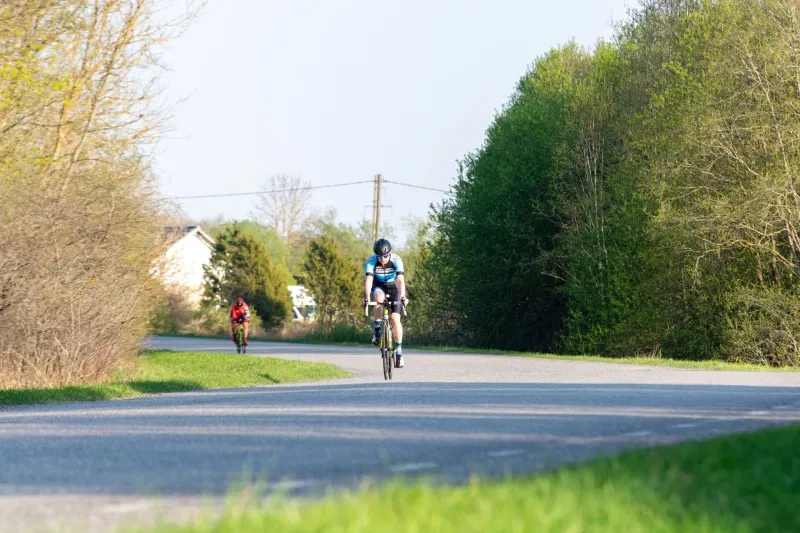
Leading a buddy ride can feel like a promotion. You’re at the front, you’re making the calls, you’re the one who knows where the next turn is. But on a beginner buddy ride, the front is not a throne. It’s a job — and one that gets tiring if the same person does it all day. The fix is refreshingly simple: swap the lead every 20 to 30 minutes, or at natural pauses, so both riders share the navigation, the pace-setting and the chat.
This isn’t about keeping score. It’s about making the ride feel like a two-person effort rather than a solo outing with a passenger attached. On UK lanes and shared paths, a gentle lead-swap plan also keeps the ride safer: the front rider calls the hazards, the back rider gets a breather, and neither person spends the whole afternoon quietly stewing about whose turn it is to point at the next pothole.
Why bother swapping at all?
When one rider leads for the entire ride, small pressures build up. The leader has to spot every turn, judge every junction, set a pace that works for two and keep the conversation going. The rider behind can start to feel like a spare part — or, if they’re the stronger rider, like they’re being held back. Swapping the front evens out those pressures.
It also helps with pace. A beginner buddy ride should be a no-drop ride, and the easiest way to keep it that way is to let the person who wants a slightly easier spell sit behind for a while. The front rider sets the tempo; the back rider can check that the pace still feels comfortable, that the gap isn’t stretching, and that nobody is quietly suffering in silence.
And then there’s the chat. Cycling mates are built on nattering. If one person is always at the front, the conversation becomes a series of shouted summaries over a shoulder. Swapping places resets the chat, gives both riders a fresh view and stops the ride from turning into a two-wheeled lecture.
Pick your swap points before you set off
The worst lead swaps are the ones that happen in the middle of a busy junction, halfway up a climb, or just as someone is trying to clip back in. So agree your swap points early. Keep them simple and natural: the top of a hill, a bridge over the canal, a bench by the shared-use path, the entrance to a park, or the café you’re both pretending not to think about.
A good beginner rhythm is a swap every 20 to 30 minutes. That’s long enough for the lead to feel worthwhile, short enough that nobody gets stuck with the navigation for the whole ride, and easy to remember. If the route has a big junction coming up, let the current leader guide you through it and swap after. No faffing about at traffic lights, please.
How to swap without turning it into a committee meeting
You don’t need a ceremonial handover. Pick a safe, wide spot — a lay-by, a quiet side road, a towpath stretch with good visibility — and slow down gradually. The rider behind comes alongside, you both check the road or path is clear, and the new leader moves ahead. If one of you is less confident, the more experienced rider can lead out of the swap point and then wave the other through once the way is obviously clear.
Keep the words short. “I’ll take the front after this bridge” is enough. “Your turn at the next gate” is plenty. The point is to make the swap predictable, not to hold a team briefing in the middle of a country lane.
Low-faff signals for UK lanes and shared paths
A lead swap only works if the rider behind can trust what the front rider is doing. You don’t need a full cycling-club sign language. A few clear gestures will do:
- Point early at the next turn, pothole or drain cover — early is kind, late is a surprise.
- Use a palm-down pat to say slow down.
- Raise a hand, palm out, if you’re stopping or pulling over.
- Point at parked cars, kerbs and gravel patches before you pass them, not as you’re already alongside.
- On shared paths, a simple “pedestrians” or “horse” call gives the rider behind time to adjust.
The rider behind can echo the important calls if it’s safe to do so, but don’t let echoing become a test. The aim is shared awareness, not a military drill.
Share the navigation, not just the view
One of the quiet benefits of swapping leads is that navigation stops being one person’s private anxiety. If you’re using a phone or a bike computer, the front rider can call the next direction clearly: “Left at the T-junction in about half a mile.” Then the other rider knows what’s coming and can keep an eye out too.
On UK routes, that might mean watching for a Sustrans milepost, a canal bridge number, or the point where a shared-use path splits away from the road. The lead rider makes the call, but both riders stay involved. That way, if the person at the front misses a turn, the person behind can say so without it feeling like a formal complaint.
Keep the chat going
The best buddy rides feel like a conversation with pedals. Swapping the lead helps that happen. The front rider can point out the view, the back rider can finish a story, and neither person has to spend the whole ride talking into a headwind.
If you’re the more confident rider, resist the urge to stay at the front because it feels easier. Give your mate a turn. If you’re the newer rider, don’t treat the front as an exam. You’re not being tested on perfect navigation; you’re just taking your share of the job for 20 minutes. If you miss a turn, you turn back. That’s it. No drama, no post-ride inquest.
The front is a rota, not a ranking
A beginner buddy ride works best when both riders know that the front will change hands. Pick your swap points, keep the signals simple, regroup when you need to, and let the lead rotate. You’ll share the navigation pressure, even out the pace and keep the conversation rolling. And on a wet Wednesday in the UK, that’s worth more than any imaginary leader’s jersey.