The Triangle Rule: Keeping a Beginner Cycling Trio Tight on UK Lanes

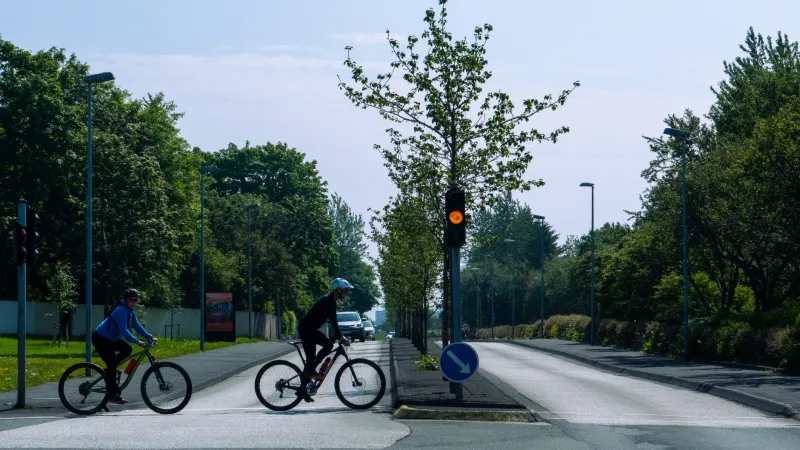
Photo by Photo by Nik Demidko on Unsplash on Unsplash
Two riders is a conversation. Four riders is a committee. Three riders is a lovely thing that can go slightly sideways if nobody plans for it. On a beginner buddy ride, a trio can be the most encouraging shape on the road: one rider can hang back with a wobbly climber, another can scout the junction, and there is always someone to share the biscuit bag. But three also has a classic failure mode. Two click, one drifts. Two chat, one hears nothing but chain noise. Two decide, one feels outvoted. None of that is inevitable. It just needs a little structure, ideally agreed before anyone clips in.
Choose a route with room for three
The first job is picking a route that does not force the trio into an awkward conga line for hours. Quiet country lanes, wide bridleways, forest roads and generous sections of the National Cycle Network are good friends to a beginner trio. Narrow singletrack, tight canal towpath pinch points and fast A roads are not. You want space to ride two abreast on the quiet bits and space to single out politely when someone comes the other way.
A good trio route has three useful points: a start that is easy for everyone to reach, a cafe or bench roughly halfway, and an obvious bailout. That bailout might be a shortcut back, a station, or a shorter loop. Beginner rides should feel like an adventure, not a commitment hearing. If the route has one long, unavoidable slog, the strongest rider will end up waiting and the least confident rider will feel like the delay. Better to choose a route with several small regroup points than one heroic climb.
Give everyone a job, then swap it
A trio works best when the roles are visible but temporary. One rider leads, one rides in the middle, one sweeps at the back. The leader sets a sensible pace and stops at junctions. The middle rider is the bridge, keeping an eye both ways. The sweep stays behind the least confident rider and makes sure nobody is left at a gate. None of these jobs should become a personality. The leader is not the boss, the sweep is not the slowest rider's babysitter, and the middle rider is not a spare part.
Swap roles every twenty minutes or at a clear landmark: a gate, a bridge, a cafe, a village sign. That rotation does two things. It shares the effort of thinking, and it breaks up the two-plus-one chat pattern. If the same two riders always drift to the front, the third rider spends the morning staring at a rear derailleur. Rotating the order gives everyone a turn beside everyone else.
Keep the chat moving
Three-person conversation on a bike is a bit like a small table at a cafe. If two people turn towards each other, the third is left looking at the wall. On a quiet lane, ride two abreast and change the pairing regularly. The person in the middle can act as the hinge, asking a question that includes the rider behind. It sounds small, but it is the difference between a group ride and two friends plus a stranger.
Use a simple chat check. Every so often, ask something that needs an answer from all three: how are the legs, how is the saddle, are we still happy with the next bit. If one rider has gone quiet, do not assume they are enjoying a peaceful moment. Drop back, ride beside them, and let the other two carry on ahead for a minute. Beginner trios often fall apart not because of pace but because one person has stopped feeling part of the plan.
Set a trio pace, not a fastest-rider pace
The pace of a three-person beginner ride is the comfortable pace of the least confident rider, plus a small margin for the fact that everyone has good days and bad days. It is not the average of the three. It is not the pace the strongest rider can hold while chatting. If the trio splits on every climb and regroups at the top, the slowest rider spends the whole ride chasing and apologising. That is not a buddy ride. That is a time trial with witnesses.
Use a no-drop triangle. The leader stops at the next safe junction and waits until the sweep arrives. The sweep stays behind the rider who is struggling. The middle rider bridges the gap and passes messages: cafe in five miles, left turn coming up, take a breather. On a climb, regroup at the top or at a lay-by, not halfway up where there is no room. If someone is having a rough day, shorten the route. The group is only as together as its least happy rider.
Make junctions and gates a three-person habit
Junctions are where trios quietly lose each other. The leader should stop clear of the corner, not on it, and wait until all three are together before anyone turns. At a T-junction or a busy lane, the whole group crosses or turns as a unit. No one should be waved on into traffic by a rider who has already committed. If a car is waiting, keep it simple: stop, look, decide, then move together.
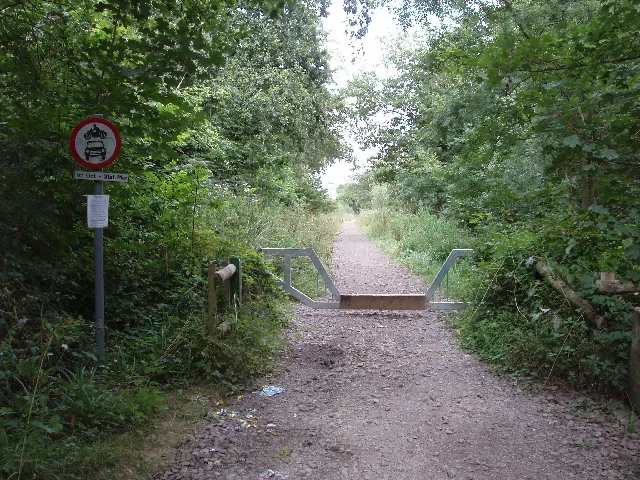
Gates need a plan too. On a shared path or bridleway, the first rider can go through and wait well ahead, the second holds the gate, and the third closes it. Or the first holds while the other two pass. What matters is that nobody is left wrestling a latch while the others disappear. Say the plan out loud the first few times. After that, it becomes a habit. The same applies when a horse, a dog walker or a narrow bridge appears: call single file, slow down, and give everyone room. A trio can be a friendly presence on a shared path, but only if it behaves like a guest.
Decide without a dictator
Three riders can deadlock in a way two riders rarely do. Two want the cafe, one wants the shortcut. Two feel fine, one has a niggling knee. Before the ride, agree a simple decision rule. Route choices can go with the majority. Safety and comfort get a veto. If one rider says a road feels too fast or a descent feels too much, the trio takes the other option without a debate. That is not weakness. That is the whole point of riding with buddies.
At the cafe, rotate the navigator. Let one rider choose the next leg, another check the time, another ask the group how everyone is feeling. A three-question check works well: are we all okay, have we all eaten, and are we happy with the next section. If the answer to any of those is no, deal with it now rather than five miles later.
The triangle rule
Think of the trio as a triangle rather than a line. Each rider can see one another, each rider has a role, and the shape can rotate without breaking. Pick a route with room, swap the lead and sweep, regroup at junctions, and make the chat include all three. At Bicycle Buddy, we like a beginner ride to finish with everyone still talking and nobody secretly vowing to stay home next time. A three-person ride is not a crowd. It is a small, sociable unit that just needs a bit of care to stay that way.