Through the Gap, Together: A No-Faff Gate Plan for UK Trail Mates
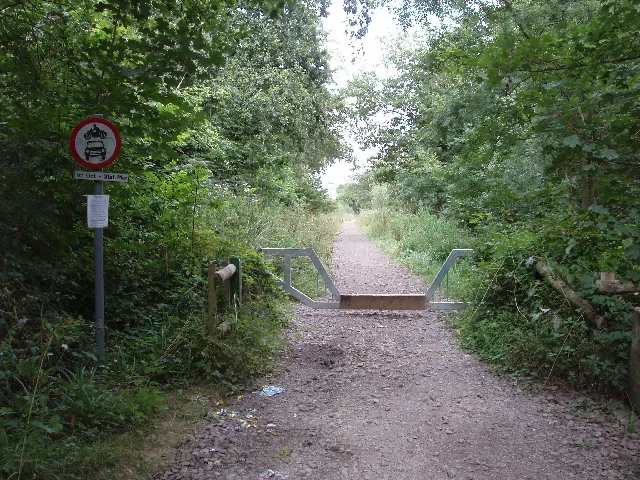
Photo: David Hawgood, CC BY-SA 2.0, via Wikimedia Commons
Gates are where a bike ride stops being pure pedalling and becomes a small piece of shared admin. On UK bridleways, towpaths, forest tracks and cheeky-looking trail centres, you will meet kissing gates, wooden stiles, metal barriers and the occasional gate that seems to have been designed by someone who hated bicycles. None of it needs to be a drama. A good gate plan is less about rules and more about rhythm: one person opens, one person lifts, everyone regroups, and nobody ends up pinned under an e-bike in a hedge.
Why gate craft is a buddy skill
When you ride alone, a gate is just a pause. When you ride with a mate, it is a chance to either look after each other or accidentally leave someone behind while they wrestle a pannier through a gap. Beginner-friendly group riding is full of these little moments. A gate is not a test of strength or a cue for a long debate about whose turn it is. It is a quick handover: you, your bike, your buddy and the next bit of trail.
It also matters because gates are where cyclists meet other people. Walkers, horse riders, dog walkers, families with pushchairs and the occasional sheep all use the same network. Good gate manners are part of being a decent trail user, not just a smooth buddy ride.
The simple rhythm: open, lift, regroup
Forget elaborate systems. Try this three-part rhythm instead.
Open. One rider takes the gate. They go through first, check the ground ahead and hold the gate open only if it is safe to do so. If the gate swings into a road, a steep drop or a busy path, do not stand there holding it like a human bollard. Prop it open only if the gate is designed for that and it will not cause a problem.
Lift. The second rider handles the bikes through the gap. If you are a pair, this often means one person holds the gate and the other wheels or lifts the bikes through. Swap roles at the next gate so nobody is always the gatekeeper.
Regroup. Once you are both through, close the gate if it was closed, check the route and set off together. No one should be shouting from fifty metres up the trail because the gate lead forgot there was a second human.
That is it. Open, lift, regroup. It works for pairs, small groups and the sort of ride where three people have turned up with four bags and a coffee flask.
Kissing gates and narrow barriers
Kissing gates are the classic UK trail feature: a V-shaped gap, a swinging wooden frame and a silent invitation to scrape your handlebars. Take them one at a time. Angle the bike, lift the front wheel if needed and keep your weight close to your body. Do not force a loaded bike through at speed. If you have panniers, a bar bag or a child seat, slow down and check the gap before you commit.
E-bikes deserve a special mention. They are heavier, often awkward to lift and not always easy to shove through a tight gap. If you are riding with an e-bike buddy, be honest about the weight. A two-person lift is fine, but agree on it before someone grabs the frame and tweaks their back. Remove a battery only if the manufacturer says it is safe and easy to do so. Never lift a bike by its cables, derailleur or brake hoses.
Stiles: lifting with manners
Stiles are more common on footpaths than bridleways, so check your map before assuming a route is cycle-friendly. If you do meet one on a legitimate trail ride, treat it as a two-person job where possible. One rider can lift the front wheel over while the other guides the rear, or one person can stand to the side and lift the frame while the other steadies it. Keep your back straight, bend your knees and do not try to be a hero with a heavy bike.
For solo riders, a side lift is usually kinder than a full deadlift. Take off loose bags if they are catching, lift the bike close to the stile and swing it over in one controlled movement. If a stile looks broken, wobbly or unreasonable, do not force it. Find another way round or turn back. A route is not a moral test.
Livestock, walkers and right of way
On shared UK routes, cyclists should give way to walkers and horse riders. On bridleways, pedestrians have a right to be there; on towpaths and shared paths, the same courtesy applies. If you meet a horse, slow right down, speak calmly and stop if asked. Do not crowd the gate. Let the horse and rider go through first, then follow when it is clear.
Livestock is a reminder to close gates behind you unless they are deliberately open. Do not chase sheep, do not ride between a cow and its calf, and do not treat a field of bullocks as a velodrome. Give animals space, keep noise low and move through steadily.
The small courtesies that keep everyone moving
Do not prop bikes against a gate that someone else needs to use. Do not straddle the gap while your mate wrestles a bike through. If a gate is stiff, lift it slightly rather than yanking it. If it is broken, report it to the land manager or local council when you get home. And if you are the faster rider, wait at the next junction. A gate is a natural regrouping point, not a finish line.
Keep calls simple: “Gate!” to warn your buddy, “Clear!” when it is safe to come through, and “Wait!” if there is a walker, horse or vehicle. Shouting a full paragraph at someone through a kissing gate rarely helps.
When to stop over-planning
If the gate is easy, one rider holds it, the other goes through and you both carry on. If the group is larger, split into pairs and let the gate flow. If the route is packed with barriers, choose a different route next time or accept that the ride will be slower. Gates are part of the landscape, not an emergency. A calm minute at a gate is far better than a rushed lift, a scratched frame and a buddy who wishes they had stayed in bed.
Ride enough UK trails and you will meet every kind of gate: the polite kissing gate, the rusty farm gate, the shoulder-high stile and the barrier that seems to have been installed as a personal challenge. Treat them as small moments of teamwork. Open, lift, regroup, say thanks, and keep the ride moving.