Softly, Softly: A Buddy Ride Guide to Meeting Horses on UK Lanes
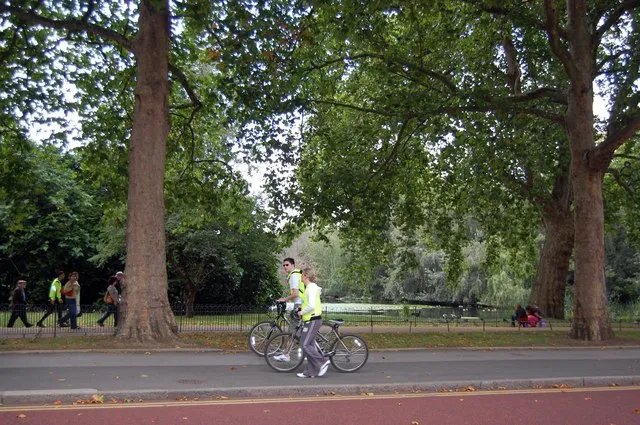
Photo: Trevor Harris, CC BY-SA 2.0, via Wikimedia Commons
There is a particular kind of hush that falls over a country lane when a horse appears. The hedgerow stops rustling, the chatter fades, and suddenly two cyclists and a rider are all trying to read the same narrow strip of tarmac. It is not a crisis. It is just a moment that rewards a bit of preparation.
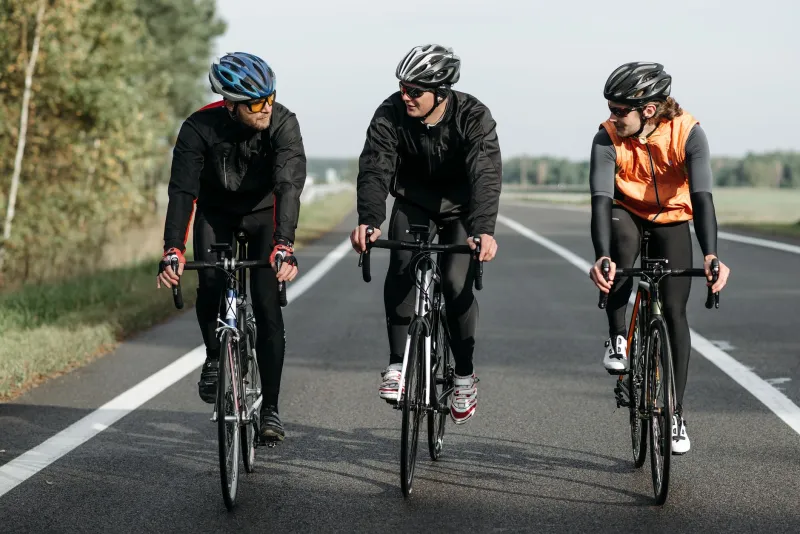
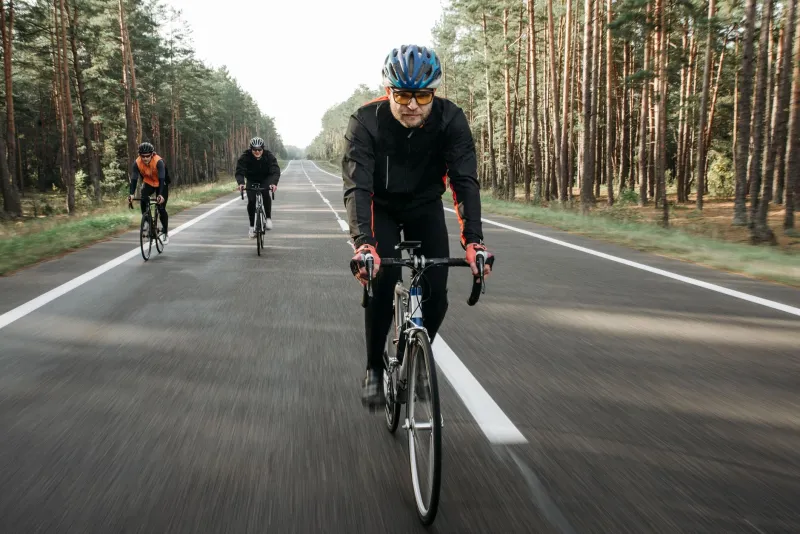
On a buddy ride, that preparation is shared. You are not just managing your own bike; you are looking after the pair of you, the horse, and the rider whose day could be made much harder by a careless pass. The good news is that the etiquette is simple, and it works best when it feels calm rather than ceremonial.
Why a Horse Changes the Whole Lane
A horse is a living, breathing hazard perception test. It can be utterly steady one second and startled by a flapping jacket, a rattling chain or a cyclist freewheeling behind it the next. That is not naughtiness. It is animal instinct.
UK lanes often give you very little room: high banks, blind bends, passing places that arrive in the wrong place, and a surface that may be slick with mud or leaf litter. Add a horse into that mix and the priority shifts from keeping your speed to keeping everyone’s margin for error.
The Highway Code guidance is clear enough: pass horses wide and slow, and be prepared to stop. Treat that as the floor, not the ceiling. On a narrow Devon lane or a Cotswold bridleway approach, the right speed may be barely moving at all.
Agree Your Signals Before the Ride
Most buddy rides have a handful of unwritten signals: a raised hand for a pothole, a call for a car, a nod for “I’m stopping.” Horses deserve a signal too.
Before you set off, agree on a simple call. “Horse ahead” is fine. “Horse behind” is even better, because horses can appear from behind a bend or come up quietly behind a pair of cyclists. Keep it calm and clear. Shouting “HORSE!” at full volume may alert your mate, but it may also alert the horse in a way nobody wants.
If one of you spots the horse first, that rider takes the lead on the response. The second rider backs up the plan rather than improvising. That might mean slowing to create a gap, stopping short of the horse, or moving into single file without crowding the verge.
It also helps to decide who will talk to the horse rider. One calm voice is better than two cyclists offering overlapping advice. The other buddy can focus on traffic, the road surface and keeping the gap sensible.
The Approach: Slow Early, Talk Normal
Early is the key word. Do not wait until you are alongside the horse to ease off. Start slowing when you first see the rider, and give yourself room to stop if the horse reacts.
If you are behind the horse, do not sneak up and then surprise it with a bell or a cheery shout. A bell is a lovely idea on a shared path, but horses may not read it as “friendly cyclist approaching.” A normal, calm voice from a reasonable distance is usually better: “Hello — we’re behind you. Is it alright to come past when there’s space?”
That question does a lot of work. It gives the rider control, it signals that you are not going to barge through, and it opens the door to a simple answer: wait, pass wide, or stop.
Keep your own bike quiet where you can. Stop pedalling early, avoid freewheeling right behind the horse, and use your brakes gently. If your chain, brakes or luggage rattle, that is worth knowing before the encounter, not during it.
Passing Wide, Passing Quiet
When the rider says it is safe, pass wide and slow. On a narrow lane, “wide” may mean waiting at a gap rather than squeezing through. Two metres is the guidance to aim for where the road allows it, but the real test is whether the horse has enough space to feel undisturbed.
The front buddy should pass first and keep going steadily, not stop directly in front of the horse. The second buddy should follow only when there is clear space and the horse is settled. Do not bunch up. Do not overtake each other. Do not sprint to make the most of the gap.
If the horse is young, nervous or being led, give even more room. If the rider is signalling you to wait, wait. If they wave you through, still take your time. A friendly nod and a quiet “thank you” are worth more than a heroic display of speed.
When the Horse Is Coming Towards You
A horse heading towards you can feel more intimidating, especially on a single-track lane. The principle is the same: slow down early, move to your side of the road, and stop if that is the safest option.
Do not rev, ring, shout or wave your arms. Keep your voice low and normal. If the rider asks you to stop, stop. If the horse is unsettled, give it time to pass rather than trying to sneak by at the edge.
On a blind bend, a horse may appear with very little warning. That is a good reason to ride within the distance you can stop in, especially on unfamiliar lanes. Your buddy should not be half a wheel behind you on a road where surprises live around every hedge.
The Buddy Bit: Don't Lecture, Debrief
It is easy to turn a horse encounter into a roadside seminar. Try not to. The horse rider does not need a cycling buddy explaining the Highway Code to them, and your mate does not need a running commentary on their lane position.
A better approach is a quick, quiet debrief once you are clear: “That was tight — thanks for slowing early.” Or “I didn’t see the horse until late; let’s keep the calls coming.” Keep it specific and kind. The point is to make the next encounter easier, not to score points.
If your buddy gets it wrong — passes too close, calls too loudly, stops in the wrong place — deal with it later, away from the horse. A calm word over a café stop is more useful than a tense exchange in front of a rider who is already managing an animal.
A Small Script for the Awkward Moment
Sometimes the lane is tight, the horse is edgy, and nobody is quite sure what to do. A simple script helps:
- “We’ll wait here if that’s easier.”
- “There’s a gap coming up — would you like us to come past?”
- “No problem, we’ll stay put.”
- “Thanks very much — have a good ride.”
That is it. No performance, no pressure, no lecture. Just two cyclists recognising that they are sharing a small space with someone who needs a bit more room.
The Takeaway
Meeting horses on a buddy ride is not about being perfect. It is about being predictable. Slow early, call the hazard to your mate, agree who is talking to the rider, pass wide and quiet, and stop if the horse needs you to. Do that and the lane stays calm, the ride stays social, and everyone carries on with their day.
And if you get it slightly wrong? Learn, apologise, and keep pedalling. Country lanes are shared spaces, and the best cycling buddies are the ones who share them thoughtfully.