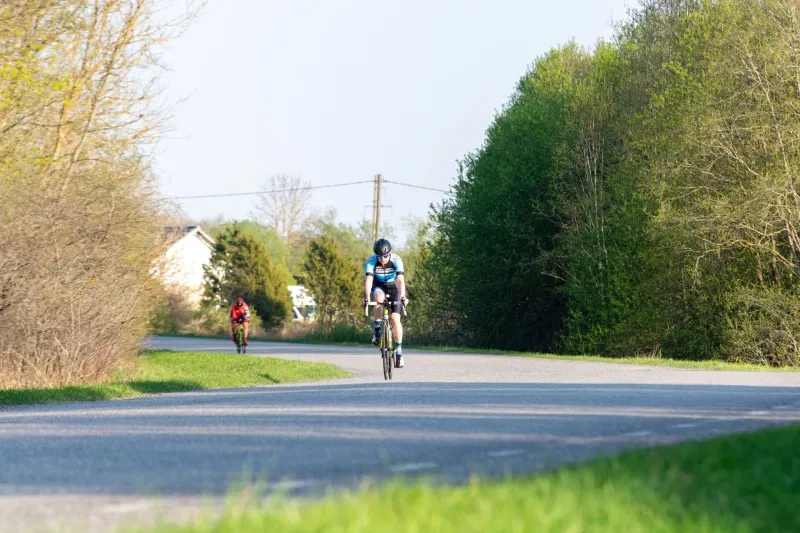
Feet Down, Chat Up: The Buddy Ride Guide to Walking the Steep Bits
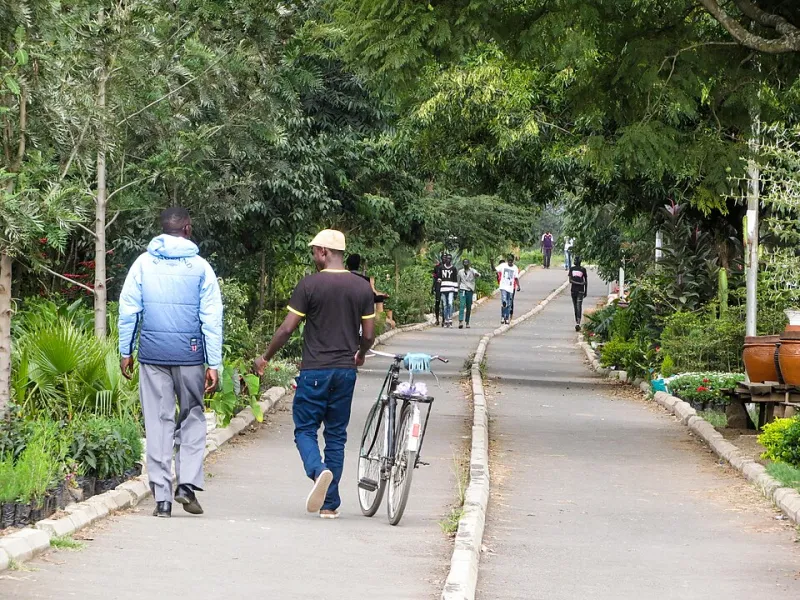
Photo: Victor Kibiwott, CC BY-SA 4.0, via Wikimedia Commons
There's a particular silence that settles over a buddy ride when the road tilts up, the chat stops and everyone starts pretending they're fine. One rider is grinding away in the wrong gear, another is quietly calculating whether they can keep going, and the strongest person is already twenty metres ahead pretending not to notice. That silence is the thing we're trying to avoid. The hill itself is just geography.
Walking a steep bit is not a defeat. It's a tactic. On UK lanes, where a short ramp can hit 20 per cent without warning and wet leaves can turn tarmac into a skating rink, getting off and pushing can be safer, kinder and sometimes genuinely quicker than a wobbly grind. The trick is agreeing that before anyone's pride gets involved.
Walking is a tactic, not a white flag
Somewhere along the way, a lot of us picked up the idea that a real cyclist never walks. That's nonsense. Mountain bikers walk. Audax riders walk. People on loaded tourers walk. The question isn't whether walking is allowed — it's whether your buddy ride has a plan for it.
A good plan does two things. It removes the shame of being the first to suggest it, and it stops the group splitting into a fast climber, a silent sufferer and someone stuck in the middle. If you've agreed that walking is on the table, the hill stops being a test and goes back to being a hill.
Make the pact before the pedal turns
The best time to talk about walking is before the ride, ideally while you're still standing by the cars or waiting for the train. Keep it light and practical. Something like: if either of us wants to walk a steep bit, we walk it. No debate, no apologising, no sprinting to the top to prove a point.
You can make it even simpler with a no-one-walks-alone rule. If one person hops off, the other either walks too or waits at a safe spot just ahead. That doesn't mean the stronger rider has to push their bike up every climb — it means they don't disappear over the horizon and leave the other person wondering if they've been abandoned.
It also helps to agree what counts as steep. For a beginner, that might be anything that feels like a struggle in their easiest gear. For a more experienced rider, it might be a specific ramp they know is nasty. You don't need a scientific formula. You just need permission to say: this bit, I'm walking.
The signal: short, clear and kind
When the moment comes, keep the call simple. A hand signal and a few words are enough: feet down, walking bit, or I'm hopping off here. Say it early enough that the person behind you isn't surprised. If you're on a narrow lane, check behind before you slow, then move left and push your bike on the left-hand side, away from passing traffic.
What you don't need is a long apology. A quick sorry, not sorry works fine, but don't spend the whole climb explaining why you're walking. That turns a tactic into a confession. If your buddy is the one walking, don't make a thing of it either. A simple no worries, I'll walk with you does more for the ride than any amount of coaching.
Where to stop and how to regroup
Regrouping is where a lot of good intentions fall apart. The top of the climb isn't always the best place to stop — sometimes it's narrow, blind or exposed. Look for a gateway, a wide verge or a lay-by where you can get fully off the road. If you're walking, agree to meet at the next safe widening rather than leaving someone guessing.
When you regroup, do a quick head count and a quick vibe check. Is everyone still smiling? Has anyone gone quiet in the wrong way? If someone's struggling, the answer isn't to pretend you didn't notice. It's to say: that was a cheeky one, fancy a breather? Then actually have the breather.
Keep the chat alive on the walk
Walking a bike uphill is a brilliant social opportunity. You're moving slowly, you're side by side if the lane allows, and you're not trying to talk through a lung-busting effort. Use it. Ask about the cake stop. Point out the view. Laugh about the gradient sign. The whole point of a buddy ride is that the company is the point, not the average speed.
If the lane is too narrow to walk two abreast, stay single file but keep talking. The person in front can turn their head slightly and keep the conversation going. It's not a military operation. It's just two people pushing bikes up a hill and having a natter.
The silent suffer-fest trap
The thing to avoid is the unspoken competition. You know the one: everyone pretending they're fine, nobody suggesting a pause, and the whole climb turning into a grim little silence. If you're the stronger rider, resist the urge to ride ahead and wait at the top with a breezy you all right? That can feel like a judgement, even if you don't mean it that way. Better to walk the last bit with your mate or wait at a gate just ahead.
If you're the one struggling, say so. You don't have to make a speech. A simple I'm going to walk this bit is enough. Your buddy isn't a mind reader, and most people would much rather walk with you than wonder why you've gone quiet.
A simple uphill pact to try
Before your next hilly buddy ride, try this four-line agreement:
- Anyone can call a walking bit, no explanation needed.
- If one walks, the other walks or waits at a safe spot.
- We regroup at gateways, verges or lay-bys, not blind bends.
- The chat continues at walking pace.
It sounds almost too simple, but that's the point. The hill doesn't have to decide the mood of the ride. You do. Feet down, chat up, and the steep bits become just another part of the day out.