The Wind Is Not a Rival: A No-Heroics Buddy Plan for UK Headwind Days
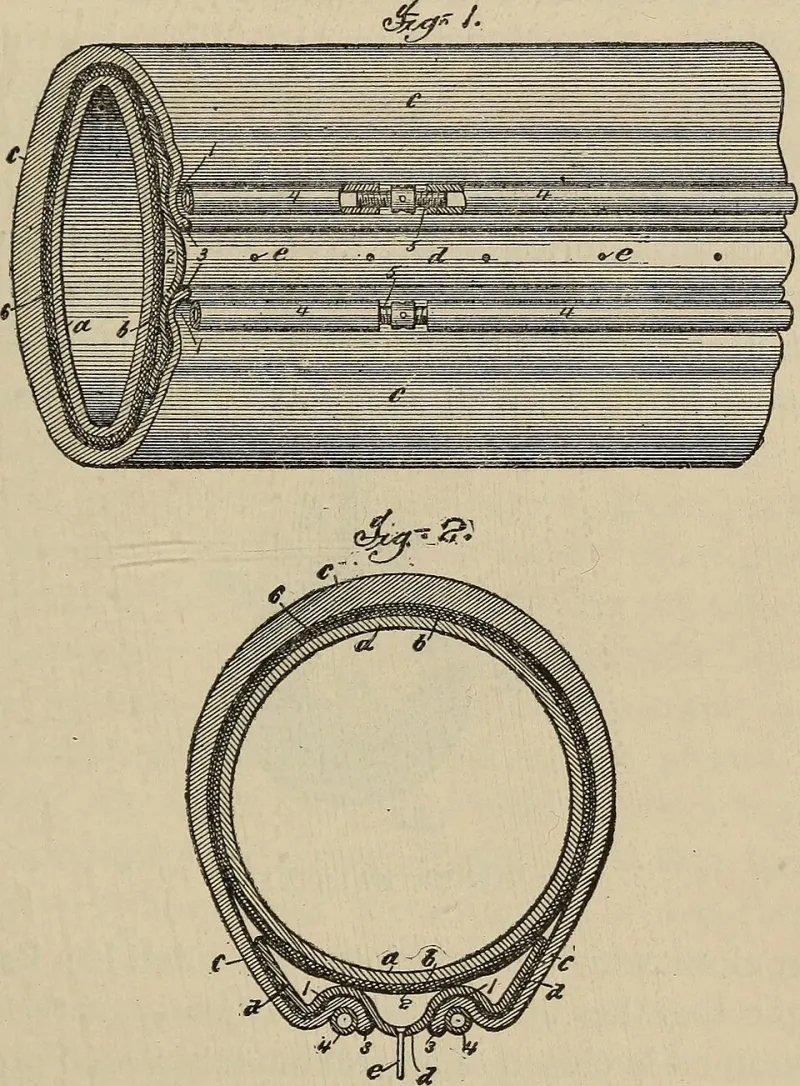
Photo: Internet Archive Book Images, No restrictions, via Wikimedia Commons
There’s a particular kind of silence that arrives when you turn onto an exposed lane and the wind hits side-on, then swings dead ahead. The chat stops. One rider edges forward. The other pretends not to notice. Within ten minutes, a perfectly nice buddy ride has become an unspoken contest nobody signed up for.
A headwind is not a fitness test. It’s weather. And on a buddy ride, it’s a shared problem — one that gets much easier once you stop treating it like a personal challenge and start treating it like a plan.
Say the wind plan out loud before you clip in
At the meet-up, name it. Not dramatically, just clearly: ‘Forecast says it’s blowing a hooley from the west, so we’ll keep the turns short and ride to the slower person’s effort.’ That single sentence prevents about eighty per cent of headwind misery.
Fair sharing doesn’t mean identical turns. If one of you is stronger, they can take slightly longer pulls, but they don’t get to surge, half-wheel or ‘accidentally’ drift ahead. The point is to keep the pair together, not to prove who has more diesel in the tank. Agree that nobody is getting dropped for the crime of being human into a gust.
Short turns beat long hero pulls
Into a headwind, long turns are false economy. The rider on the front burns matches, the rider behind gets a decent shelter, and then the front rider slows just as the second rider is settling in. Everyone ends up grumpy.
Use short pulls instead. One to three minutes is plenty, or swap at a clear landmark: a gate, a junction, the end of a hedge, a lay-by with decent sightlines. Don’t swing out without a shoulder check and a signal. On narrow UK lanes, pick your moment — a quiet straight or a wide bit where you can slow right down — and let your mate come through on the safer side. If the lane is bendy, blind or busy, stay single file and swap later. Nobody wins a rotation prize.
If you’re the stronger rider, resist the urge to ‘just take one more pull’ every time. That’s how the other person ends up silently hating the back wheel in front of them.
Pace by effort, not by the speedo
Headwind makes speed meaningless. The same road that felt easy at 16 mph last week can feel like a commute through treacle at 11 mph today. So don’t chase a number. Drop a gear, spin a bit more, and aim for an effort that lets you speak in short sentences.
A simple test: can you say a full sentence without gasping? Not a monologue. Not a TED Talk. Just something like ‘This hedge is doing God’s work.’ If not, ease off. If one rider is breathing through their ears while the other is chatting about weekend plans, the pace is wrong for a no-drop buddy ride.
Ride to the slower rider’s comfortable effort into the wind, then let the stronger rider take a slightly longer turn if they want. That’s not charity. It’s good group craft.
Tweak the route, not your pride
A headwind is much less offensive if you’ve planned around it. Where possible, put the windy section on the way out while you’re fresh and aim for a tailwind home. But don’t promise a tailwind unless you trust the forecast — UK weather has a habit of switching sides just to see your face.
Use shelter where you can: hedged lanes, woodland edges, railway paths, the lee of a hill. Avoid long exposed stretches if you’re riding with a beginner or someone who’s already low on confidence. There’s no shame in shortening the route, adding a cafe stop or picking a loop with a train station bail-out. A good ride is the one you both finish feeling human.
And if the wind is genuinely grim — gusting hard, pushing you across the lane, making drivers impatient — call it. Turning back isn’t defeat. It’s judgement.
Keep the chat alive without forcing it
Headwind conversation is different. It’s shorthand. It’s pointing at gravel. It’s ‘car up’ and ‘hole left’ and ‘want a shorter turn?’ It’s not the moment for a detailed review of last night’s telly.
Use the pockets of shelter to talk. Behind a hedge, at a gate, on a climb that’s slow enough to allow it. Agree that silence is fine. Sometimes the most supportive thing you can do is sit on the front for a minute, keep the pace steady and not fill the gap with fake cheerfulness.
Do check in, though. A quiet mate can be concentrating, or they can be fading. Ask how the legs are. Ask if they want a shorter pull. Watch for wobbles, heavy breathing or sudden lack of chat. If something’s off, ease up before they have to ask.
Finish together, then talk about it over a brew
The last mile into a headwind is not the place for a village-sign sprint. You started together; finish together. If you arrive fresher, that’s not a victory — it means the plan worked. If you arrive wrecked, same. You did the ride.
Then get the kettle on, or find the nearest cafe, and debrief. What worked? Were the turns too long? Did the route need more shelter? Would a shorter loop have been smarter? That’s the Bicycle Buddy version of a headwind day: less heroics, more shared front time, and a mate who’s still speaking to you at the end.