Eyes Up, Wheels Turning: How to Share Navigation Without Losing the Chat
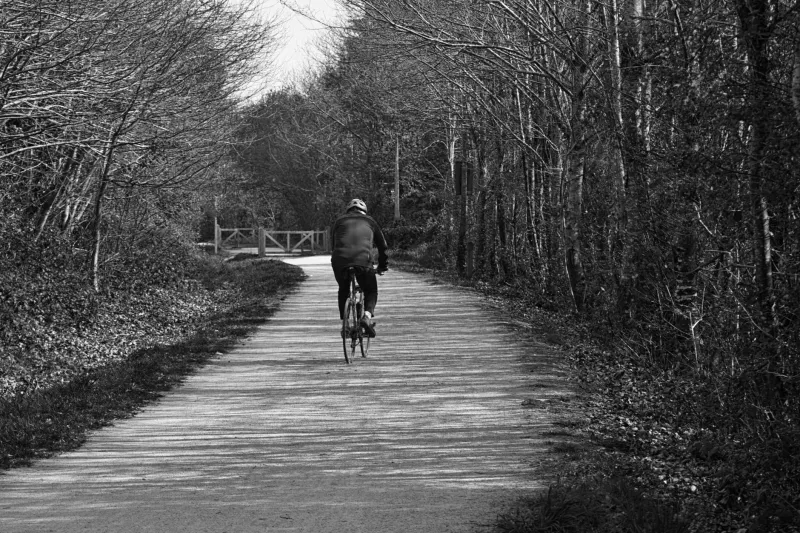
There’s a particular kind of silence that settles over a buddy ride when the navigation has gone wrong. One rider is squinting at a phone in the rain, the other is pretending not to notice that the lane has become a farm track, and both are quietly wondering who is going to say something first. The answer, ideally, is either of you — before the hedge. Navigation works better as a shared job than a solo burden, especially when you’re riding with someone new.
Why one navigator is rarely enough
A single map-reader sounds efficient until you remember that they’re also trying to ride a bike. They need to watch traffic, call turns, manage gates, and keep an eye on their mate. Add a phone balanced on a stem, a glove that won’t work on a touchscreen, and a lane sign half-hidden by a hawthorn hedge, and it’s no wonder mistakes happen.
A two-navigator approach doesn’t mean two people arguing over a screen. It means one rider leads the route while the other acts as a second pair of eyes. The lead navigator keeps the overall plan in their head. The second navigator watches for the junction, the landmark, or the moment the lead rider hesitates. It’s a bit like a co-pilot who isn’t flying the plane but is very good at spotting the runway.
The five-minute handover before you pedal
Before anyone clips in, spend five minutes agreeing on the basics. It feels fussy. It saves a lot of faff later.
Share the GPX file in advance, not at the car park. WhatsApp, email, Komoot, Strava, Garmin Connect, Wahoo — whatever you both use. Ask your buddy to confirm they’ve actually loaded it, not just received it. A file sitting in a chat thread is not a route.
Then check the boring stuff: devices charged, route downloaded for offline use, screens legible in daylight, mounts secure. If one of you is relying on a phone, a small power bank is worth its weight in gold. In the UK, a bright morning can turn into steady drizzle by lunch, and touchscreens become deeply uncooperative with wet gloves.
Finally, do a quick route overview together. Not every turn — just the shape of the day. Where’s the first café? Which direction are you leaving town? Is there a tricky bit around a town centre or a level crossing? Knowing the broad story makes it much easier to spot when you’ve wandered off it.
Give each other clear, kind roles
Try this: one rider is the lead navigator for the first section, the other is the junction scout. The lead keeps the route moving and calls the next turn in good time. The scout watches for the actual junction, the road sign, the pub, the bridge, or the gate. At the next stop, swap if you like. Rotating keeps both brains fresh and stops one person feeling like the unpaid tour guide.
Agree on a few words. “Left after the pub” is useful. “Next left” is better than a vague wave. “This one — yes, here” is the sort of thing a rider can act on. And if the scout spots that the lead has sailed past the turn, they should say so immediately, not wait three miles to mention it politely.
The tone matters. Nobody navigates well while being tutted at. A simple “I think we’ve overshot — want to pull over?” is far more useful than a martyred sigh from behind.
Build a backup language from UK lanes
GPS is brilliant until it isn’t. A second layer of cues keeps things calm. On UK lanes, look for fingerposts, National Cycle Network number stickers, bridge names, church spires, village greens, cattle grids, canal bridges, and the names of pubs you pass. “Left at the Chequers, then follow the lane past the green” is often more memorable than a distance in metres.
Use road numbers where they help: “we want the B-road, not the A-road” is a useful sanity check. Roundabouts need their own language — “second exit, signed to the village” is clearer than “go straight” when straight is debatable. If you’re on a shared path, note the landmarks: the blue cycle sign, the metal gate, the bench with the wonky slats.
It also helps to agree on what “lost” means. A missed turn is not a crisis. A missed turn at a blind junction is a reason to stop safely and regroup. If either rider is unsure, the default should be to pause somewhere sensible, not to improvise a u-turn on a busy lane.
The call-it-early rule
This is the heart of the pact: if either rider is uncertain at a junction, they say “call it” within about thirty seconds. No shame, no debate, no “I’m sure it’s fine” bravado. You stop safely, check the map together, and decide. Thirty seconds lost is nothing. A wrong turn that adds five miles and a grumpy silence is a much bigger tax.
If you do miss a junction, don’t brake or swing round suddenly. Ride on until there’s a safe place to stop — a lay-by, a quiet side lane, a wide verge. Then work out the correction. Sometimes the best fix is simply “next left, then left again” rather than retracing your wheel tracks. If you get separated, agree in advance that you’ll wait at the next obvious landmark or share a live location. A quick phone call is allowed. This is a buddy ride, not a silent retreat.
Say the pact out loud
Before you set off, try this: “You navigate the first bit, I’ll watch the junctions. If either of us says call it, we stop and check. If we get separated, we wait at the next pub or village green and share location.” It sounds almost too simple, but it gives both riders permission to speak up.
The best buddy rides aren’t the ones where nobody makes a wrong turn. They’re the ones where a wrong turn becomes a small, shared joke rather than a silent competition. Keep your eyes up, keep the chat going, and let the map be something you both carry — not something one person is chained to.